Japanese toilet Features & advantages
A Japanese toilet cleans your bottom after use with a gentle jet of water. Toilets like this are also known as shower toilets, bidet toilets or smart toilets and are becoming increasingly popular. They bring together cleaning with water and extra comfort in everyday life. But what exactly is a Japanese toilet and how does it work?
What is a Japanese toilet?
The term ‘Japanese toilet’ can refer to different types of toilet. Nowadays, however, it usually refers to a modern shower toilet that cleans your bottom with water instead of you needing to use toilet paper.
The shower toilet wasn’t invented in Japan, but in the 1950s in Switzerland. However, in the 1980s, these toilets quickly became widespread in Japan, where they were developed further. Today, just under 80% of all Japanese households have a shower toilet. Because these toilets are so popular in parts of Asia, and especially in Japan, shower toilets are often referred to as ‘Japanese toilets’.
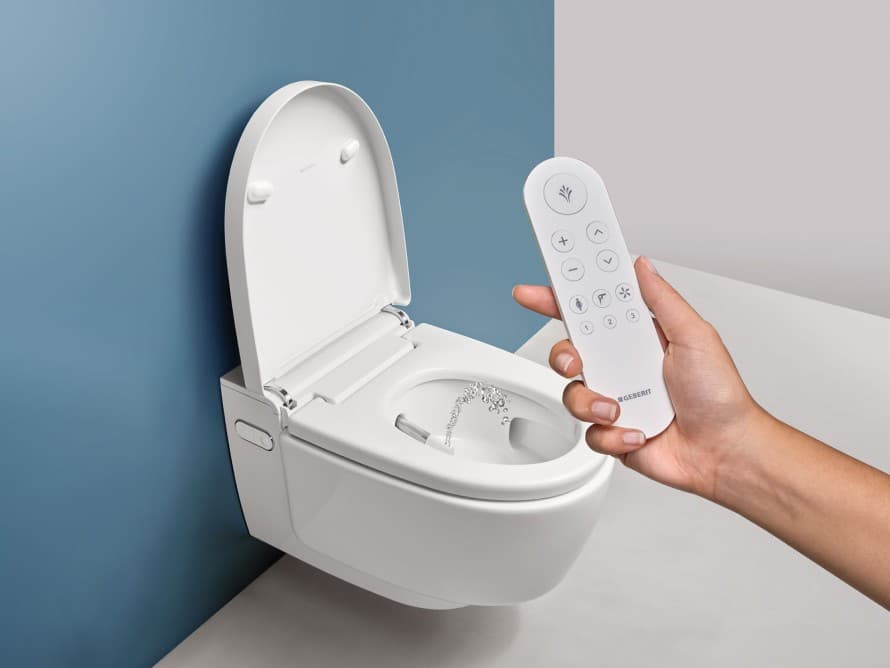
Shower toilets are modern Japanese toilets
A shower toilet is a combination ofa conventional toilet and the washing functions of a bidet in a single product.
Many models also offer extra comfort features, including WC seat heating, a warm air dryer, odour extraction and an orientation light. When people talk about a Japanese toilet today, they usually mean a shower toilet with integrated water jet and additional functions.
Find out how a shower toilet differs from a traditional bidet in our guide on bidets vs shower toilets.

What features does a Japanese toilet have?
The main feature of a Japanese-style toilet is cleaning with water from the spray arm. But the comfort functions available varies depending on the shower toilet.
You control a shower toilet using buttons on a remote control, buttons on the WC ceramic, a control panel on the wall or via your phone using an app.
Cleaning with water instead of toilet paper
This is how cleaning with water works: At the back of the ceramic pan is a spray arm that extends when you press a button and, after using the toilet, thoroughly cleans your intimate area with a gentle jet of water rather you needing to use dry toilet paper. The nozzle never touches your body.
You can change the position of the spray arm, as well as the strength and temperature of the shower spray to suit your needs and preferences. Some shower toilets have an additional nozzle for feminine hygiene, known as a ‘Lady shower’. Shower toilets with a warm air dryer then dry your skin.
Special functions of a Japanese toilet
Not every shower toilet offers all these features. Depending on the model and price range, toilets are available with a variety of features.
Geberit offers modern shower toilets to suit a range of needs – from the entry-level Geberit AquaClean Alba, which doesn’t cost much more than a conventional toilet, all the way to the Geberit AquaClean Mera Comfort, which has all the available comfort functions.
Discover all the features of a shower toilet
The following examples show the specific functions a Japanese-style toilet can have.

WhirlSpray shower technology
A clean and fresh feeling at the touch of a button – maintaining personal hygiene is absolutely essential, particularly for intimate areas.

WC seat heating
Supreme comfort – the WC seat starts warming up as soon as you approach it, so you can quickly feel the pleasant warmth.

Geberit DuoFresh WC odour extraction unit
Geberit DuoFresh keeps your bathroom and toilet fresh by extracting odours directly from the ceramic pan – either manually or automatically.

Orientation light
The well-designed orientation light for the WC gently illuminates the rooms without completely interrupting your sleep. The subtle LED lighting can be controlled manually or activated automatically.

Intuitive remote control
Intuition at your fingertips – the remote control for the Geberit AquaClean shower toilet allows you to customise settings. The shower toilet can also be operated via the app.

WC seat with soft-closing mechanism
This soft-closing WC seat gently and silently lowers after a gentle push – for even more convenience and hygiene.

Geberit TurboFlush
The innovative flush technology flushes the toilet quietly and powerfully. The inside of the ceramic is thoroughly rinsed, cutting down the need for second flushes.
Advantages of a Japanese toilet
A Japanese toilet offers various advantages, including:
- A clean and fresh feeling after using the toilet
Many people feel that cleaning with water is more thorough than using dry toilet paper. The warm water jet cleans gently and is particularly soothing for sensitive skin.
- More comfort in everyday life
Innovative features such as individually adjustable spray intensity, a warm air dryer, WC seat heating and odour extraction all help improve user comfort.
- Easy cleaning of the toilet
Rimless ceramics, a strong flush, spray nozzles that are automatically rinsed and a simple descaling process all help reduce the effort required to clean and maintain the toilets.

This is what cleaning with water feels like Try it now
What does cleaning with water feel like? Experience the exceptional feeling of freshness for yourself – come and try a Japanese-style toilet.
Try it out with no obligation and discover what it feels like to clean yourself with water after using the toilet.

Can you retrofit a Japanese toilet? Shower toilets make it possible
Yes, in many WC areas you can retrofit a Japanese toilet. Depending on what’s already installed, you may need to either
- fit a WC enhancement solution on an existing WC ceramic
- or replace it witha fully integrated shower toilet.
You can usually retrofit a WC enhancement solution without needing to make any structural changes. A shower toilet, on the other hand, is a complete solution and therefore requires the existing ceramic to be replaced. However, it offers greater comfort and additional functions.
The most suitable option depends on the the layout of the room and your personal requirements. When installing a WC complete solution, it’s worth getting advice from a sanitary installation company. They can assess your bathroom and check whether the required water and electricity connections are in place.
You can use the Geberit AquaClean ceramic calculator to see whether your current toilet is suitable for a WC enhancement solution.
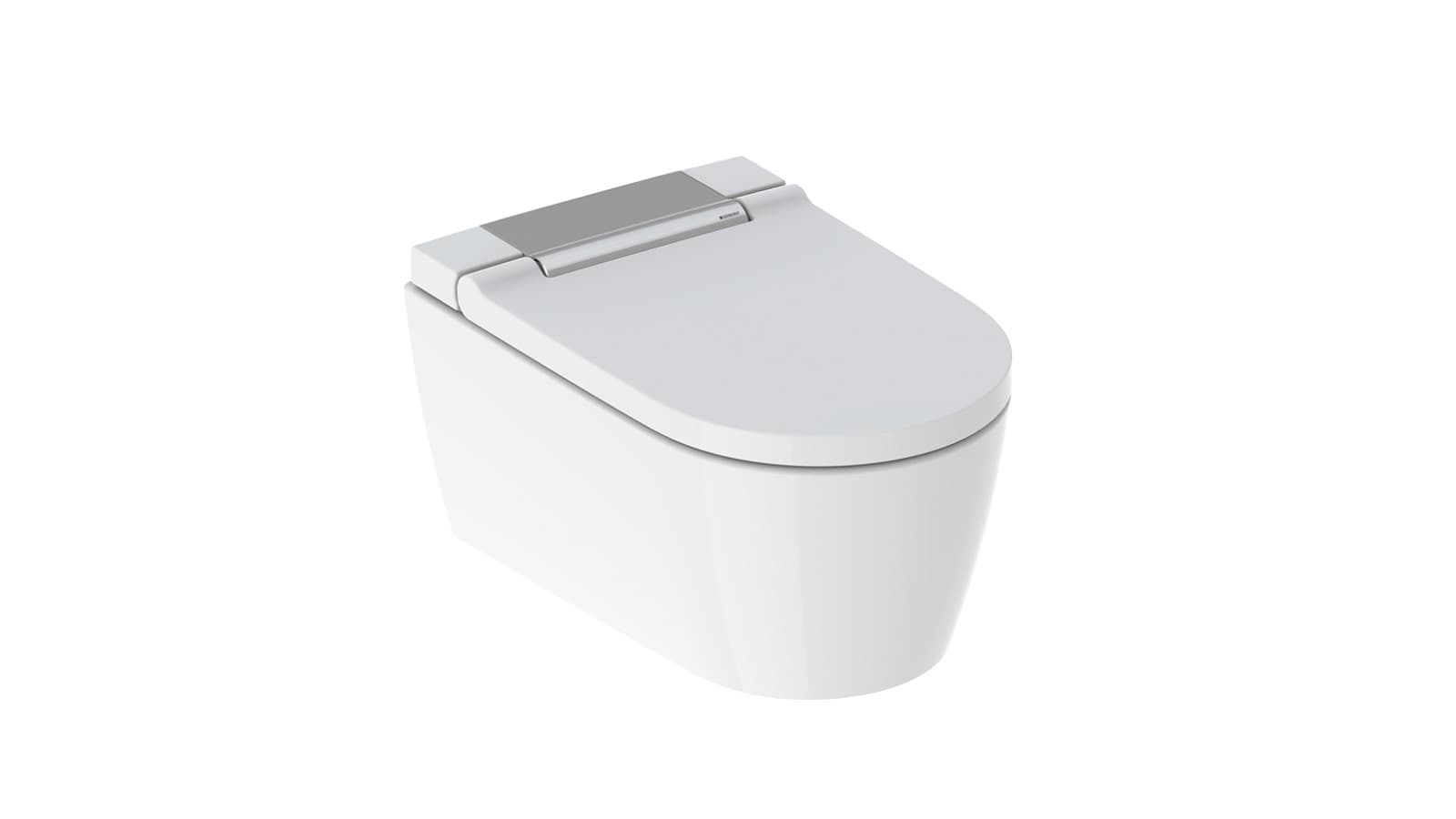
Afully integrated shower toilet, like the Geberit AquaClean Sela, combines cleaning and comfort functions in a single appliance. This requires replacing any existing WC ceramic, as the solution offers an expanded range of functions and a modern design. To install the shower toilet,you need both water and electrical connectionsat the toilet.
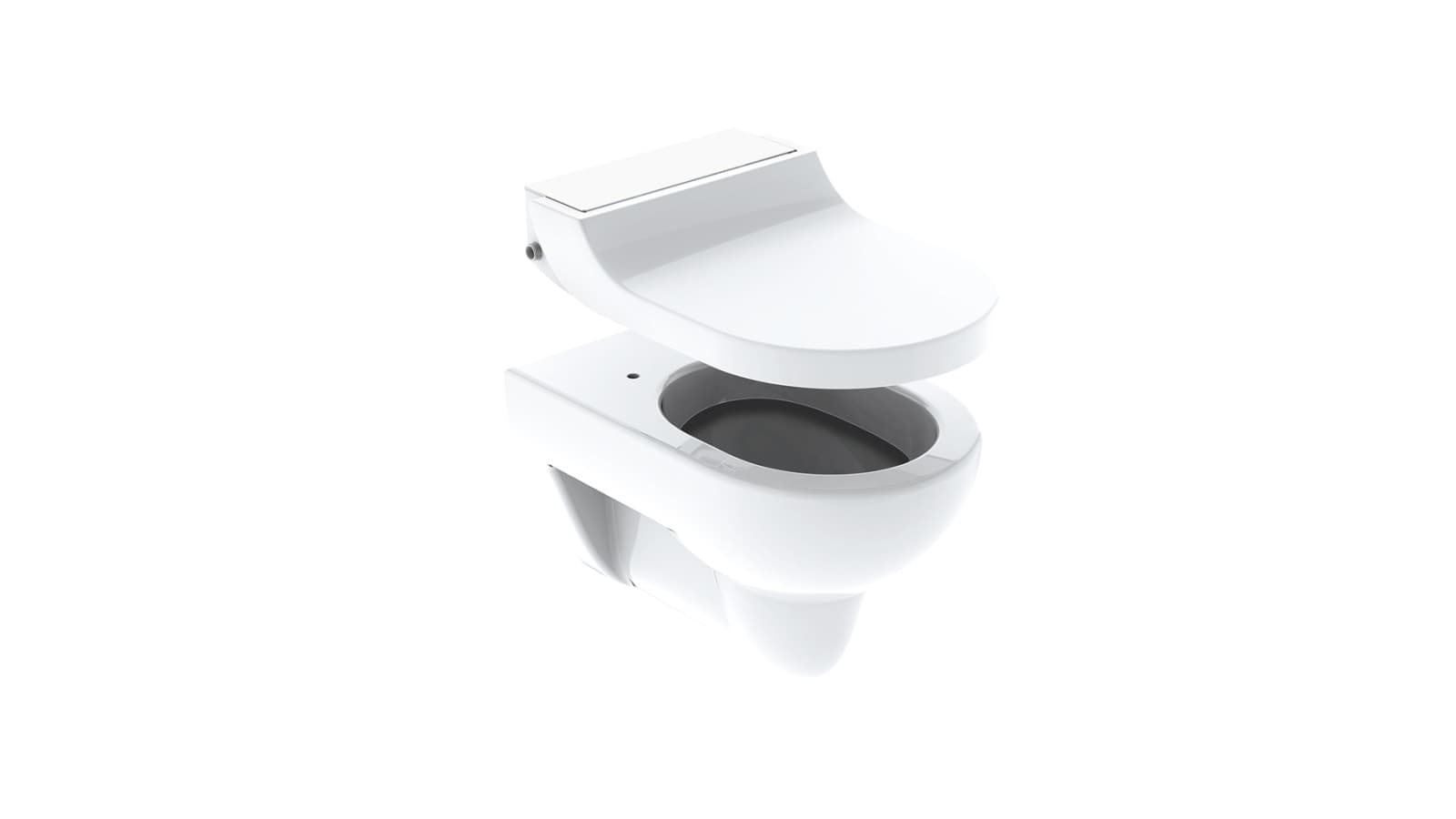
AWC enhancement solution, such as the Geberit AquaClean Tuma, often allows an existing toilet to be easily retrofitted into a shower toilet. The enhancement solution is fitted onto an existing WC ceramic. The solution requires botha power socket and water supply connectionin the WC area.
How much does a Japanese toilet cost?
If you want to buy a Japanese toilet and search for “Japanese toilet cost”, you’ll find a wide range of prices. This is because the price ultimately depends on what you choose, the functions you need and how complex it is to install. Although a simple WC enhancement solution is usually cheaper than a complete solution with all the features, it doesn’t offer the same range of functions.
The price of a WC complete solution mostly depends on what features it has. The Geberit AquaClean Alba offers the basic functions of a shower toilet and doesn’t cost much more than a standard toilet. If, on the other hand, you’d like to enjoy all the features of a Japanese-style toilet, we recommend looking at the Geberit AquaClean Mera Comfort.
Installation costs for a shower toilet
The installation costs for a complete solution depend on what you already have in the bathroom. If water and electrical connections are already in place in the right location, less work is required. If, however, pipes need to be laid, tiles removed or electrical connections added, installation costs will naturally increase.
As such, you should always get a personalised quote from a specialist to ensure you have an accurate cost estimate.
Running costs
Typical costs associated with a shower toilet include costs for water and electricity as well as descaling and replacing filters. Actual consumption depends on the model, how often the toilet is used and your personal settings. However, shower toilets also bring a feeling of freshness and personal cleanliness that many users soon find they can’t do without.
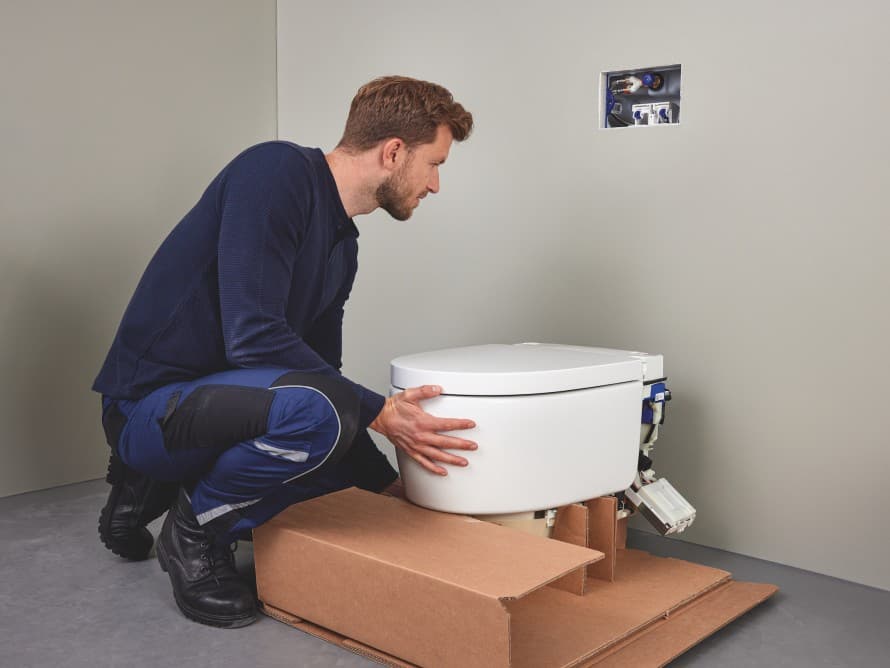
Which Geberit shower toilets are available?
Geberit offers shower toilets to suit a range of needs and budgets. From the entry-level Geberit AquaClean Alba to the premium Geberit AquaClean Mera, a range of models with different features is available.

Geberit AquaClean Mera
As the crème de la crème of Geberit shower toilets, the AquaClean Mera sets new standards in every respect. Its extensive range of comfort functions are just the tip of the iceberg.

Geberit AquaClean Alba
Geberit AquaClean Alba is a simple and stylish toilet with spray functionality. It’s the ideal entry-level shower toilet option.

Geberit AquaClean Sela
Renowned for its elegance and beauty, Geberit AquaClean Sela showcases premium materials without compromising on the highest standards of quality.

Geberit AquaClean Tuma
The Geberit AquaClean Tuma shower toilet is a compact all-rounder and is available as a complete solution or an enhancement solution.
Frequently asked questions about Japanese toilets
Where can I buy a Japanese toilet?
Japanese toilets, which are generally referred to as shower toilets in Europe, can be purchased from sanitary installation companies, bathroom showrooms and through authorised retail partners. Before making a purchase, it’s worth seeking personal advice to find the right model for your needs and the layout of your bathroom.
Geberit has developed and manufactured shower toilets for more than 45 years and is now one of the leading providers in Europe. The Geberit AquaClean product range offers a variety of solutions – from WC enhancement solutions to shower toilets with a full set of comfort features.
Our network of specialist partners will be happy to support you every step of the way, from your first visit to the showroom to planning and installation.
How does a Japanese toilet work?
A Japanese-style toilet cleans your bottom with a jet of water after you’ve used the toilet. The water comes out of a spray arm, which extends from its protected resting position inside the WC ceramic.
Depending on the model, you can control and set custom settings via buttons, a remote control or an app. Sensors control functions such as user detection, WC seat heating and opening the WC lid.
Who would benefit from a Japanese toilet?
Japanese toilets are suitable for people of all ages. Both families and anyone looking for comfort benefit from simple cleaning with water, as do older people, anyone with sensitive skin or people with reduced mobility.
Most importantly, the toilets are intuitive to use. If you’re still unsure, you can try out a shower toilet at a bathroom showroom or selected test location before buying.
How much electricity does a Japanese toilet use?
Electricity consumption depends on the model, how many people use it and the functions enabled. A shower toilet with a warm air dryer and WC seat heating uses more energy than a model with fewer features.
For Geberit AquaClean models, power consumption in economy mode is less than 0.5 watts. The Geberit AquaClean Alba has an average annual electricity consumption of around 35 kWh. These values only serve as a guide and may vary depending on the household, frequency of use and individual settings.
What are the advantages of a shower toilet compared to a conventional toilet?
A shower toilet gently cleans your bottom with water after using the toilet, rather than relying solely on dry toilet paper. This provides a particularly clean feeling and can reduce the amount of toilet paper used. Depending on the shower toilet’s features, additional comfort options such as a heated toilet seat, warm air dryer or odour extraction can make everyday use more comfortable. Cleaning with water is suitable for people of all ages and can make personal hygiene easier in many different situations.
Newsletter Register now
Stay up to date
Our newsletter provides fascinating insights and handy tips on how your bathroom can make your life easier.
Read similar posts

Retrofitting a shower toilet is really easy
Whether it’s an adaptable shower toilet seat or a complete solution, retrofitting a shower toilet is a simple matter.

Bidet or shower toilet – what’s the difference?
While the classic bidet has long been regarded as the standard for personal cleanliness, shower toilets are becoming increasingly popular thanks to their innovative functions.

How healthy using a shower toilet really is
Shower toilets are an excellent investment when it comes to personal hygiene. In this interview, a gastroenterologist explains the reasons why.

When shower toilets symbolise design
If you think about a shower toilet, you are unlikely to think of it as being something aesthetic. But it’s the combination of technology and design that makes this toilet so special.

Renovating a small guest bathroom
A skilful renovation resulted in a comfortable guest bathroom covering just under two square metres, which is also equipped to meet the needs of the elderly.
Plan your dream bathroom in just 3 steps We offer inspiration, help with planning and show you where to find your nearest showroom

1. Get inspired
Answer a few questions and we will offer you some ideas for your dream bathroom. Our inspiration tool will help you narrow down what you’re looking for. Try it out now for free!

2. Plan your new bathroom
Choose your favourites from an extensive selection of products. Design your own personal oasis of well-being today with the 3D bathroom planner.

3. Find a showroom
Take a look at our products in a showroom setting. Visit a specialist partner near you for expert advice.